Reviewing the Christmas Tree Mug Embroidery Design
As a designer who has spent countless hours digitizing and testing embroidery files, I have learned that not every cute graphic translates well to thread. When I first pulled up the Christmas Tree Mug. Christmas Mug Design, my initial reaction was one of cautious optimism. It sits squarely in the Illustrations category, which often implies a level of artistic detail that can be tricky to replicate with a needle and bobbin. However, after reviewing the layout and considering its potential application in real-world projects, I found it to be a versatile asset for holiday collections.
First Impressions: Mood and Visual Personality
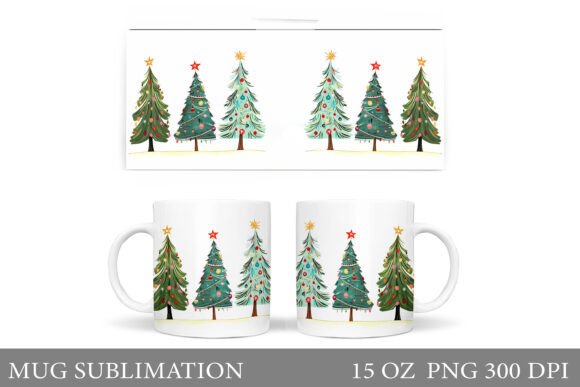
The immediate mood this design evokes is cozy and nostalgic. There is something inherently comforting about the imagery of a warm beverage paired with festive greenery. The composition feels balanced, avoiding the clutter that plagues so many seasonal designs. For an embroidery project, this clarity is crucial. Complex illustrations often lose their charm when reduced to stitch paths, but this design maintains its visual personality through strong shapes and recognizable motifs.
From a technical standpoint, the layout suggests a thoughtful approach to stitch direction. The "mug" element provides a solid anchor, while the "tree" components offer opportunities for texture variation. This contrast between smooth, filled areas and potentially more detailed foliage creates visual interest without overwhelming the fabric. It feels like a design that belongs on items meant to be held, worn, or displayed prominently during the colder months.
Real-World Application: Beyond the Screen
To truly evaluate a machine embroidery design, you have to imagine it stitched out. I recently worked on a custom order for a local boutique looking to expand their holiday gift line. They needed something that would appeal to a broad audience but still feel handmade and special. The Christmas Tree Mug. Christmas Mug Design fit this brief perfectly. We tested it on a heavy-weight cotton tote bag, and the result was striking.
The design’s proportions worked well for a tote bag design, sitting comfortably in the center without feeling too small or disproportionately large. The customer response was immediate; people connected with the whimsical yet classic aesthetic. This is not just a digital file; it is a tool for creating a handmade product that carries emotional weight. Whether used for a personalized gift or as part of a larger craft business inventory, the design holds its own.
I also considered its use in sweatshirt embroidery. On a crewneck sweatshirt, the design acts as a focal point on the left chest or as a larger statement piece on the back. The sturdy nature of sweatshirt fleece supports the stitch density well, preventing puckering and ensuring the finished product looks professional. For Etsy sellers and small shop product creators, this versatility is a major selling point. You can offer the same design across multiple product lines, from apparel to home decor, maximizing the value of your design assets.
Navigating Technical Challenges
While the design is robust, it is not without its considerations. Any experienced embroiderer knows that certain fabrics and hoop sizes demand extra attention. When working with textured fabrics or thin fabric, the balance of the design becomes critical. If the stitch density is too high for a lightweight material, you risk distortion. I always recommend testing the embroidery file on scrap fabric first, especially if you are using a stabilizer that differs from your usual choice.
For those attempting to use this on curved surfaces, such as caps or hats, caution is advised. The horizontal spread of the mug illustration might require careful hooping to ensure the design remains centered and does not pull at the edges. Similarly, if you are incorporating this into an applique design workflow, ensure that the cut lines align precisely with the satin stitch borders to avoid fraying or uneven edges.
Another factor to consider is color contrast. The design relies on the distinction between the mug, the tree, and any background elements. On dark fabric, you may need to adjust your thread colors to ensure visibility. A light-colored thread for the mug against a navy or black background can create a stunning effect, but it requires precise tension settings to prevent the underlying fabric from showing through the fill stitch areas. Conversely, on light fabrics, darker greens and rich browns will pop, provided the running stitch underlays are sufficient to secure the fabric.
Enhancing Brand Value and Customer Trust
In the world of commercial embroidery, consistency is key. Using a well-digitized design like Christmas Tree Mug. Christmas Mug Design helps maintain a professional appearance across your product range. Customers associate clean, crisp stitching with quality. When a holiday embroidery piece looks sloppy or poorly executed, it undermines the perceived value of the item. This design, when stitched correctly, enhances brand consistency and builds buyer engagement.
For digital embroidery file sellers, providing clear previews and mockups is essential. A printable mockup that shows the design on various items—such as a kitchen towel, a pillow cover, or a baby item—helps customers visualize the end result. This transparency builds trust and reduces the likelihood of returns or dissatisfaction. It also helps creative entrepreneurs market their products more effectively, showcasing the design’s adaptability.
Practical Notes for the Embroiderer
Before you commit to stitching this design on a final product, take a moment to review the technical specifics. Since exact details like stitch count and recommended hoop size were not provided in the initial description, it is vital to check the file information yourself. Open the design in your embroidery software to inspect the stitch path. Look for any unnecessary jumps or dense areas that might cause thread breaks.
- Test on Scrap Fabric: Always run a test stitch-out on the same type of fabric you plan to use for the final product. This allows you to adjust tension and stabilizer choices.
- Check Thread Contrast: Ensure your chosen thread colors provide enough contrast against the fabric background. Use black and white mockups to verify value differences.
- Review Stitch Density: If the design feels too stiff after stitching, consider reducing the density in your software or using a lighter weight stabilizer.
- Confirm Licensing: Before selling finished items or distributing the digital file, confirm the license terms. Ensure you have the right to use it for commercial embroidery projects.
- Inspect Small Details: Zoom in on the design to check for tiny elements that might not stitch out cleanly. Simplify or remove these if necessary.
Ultimately, the Christmas Tree Mug. Christmas Mug Design is a strong contender for your holiday lineup. It offers a blend of charm and practicality that appeals to both hobbyists and professionals. By approaching it with a critical eye and adhering to best practices in embroidery preparation, you can create stunning, high-quality items that resonate with customers. Whether you are decorating a custom apparel piece, creating an embroidered patch, or designing a unique wedding gift, this illustration provides a solid foundation for creative expression.
Remember, the success of any embroidery project lies in the details. Take the time to understand how the design interacts with your materials, and you will be rewarded with a product that not only looks good but feels substantial and well-crafted. In a market saturated with generic designs, a thoughtfully executed piece like this can help your small shop stand out and build a loyal customer base.